INDEPENDENT ENGINEERING

Intelligence,
made practical.

Thoughtful technology for clearer speech and more connected equipment. Built where software meets the physical world.

THE KESTENLEX LABVOICE / SOFTWARE / HARDWARE
EXPLORING THE CONNECTIONSBETWEEN IDEAS & EVERYDAY LIFE

A SMALL LAB. REAL-WORLD QUESTIONS.

Progress feels better
when it fits real life.

Useful equipment shouldn’t be left behind because it can’t connect. And clearer speech should still sound like the person speaking. These are the problems we’re working on.

01 / SELECTED WORK

Ideas in motion.

Different challenges.
The same care in the details.

VOICE INTELLIGENCEResearch prototype

Accent Convert.

Make speech clearer.
Keep the speaker.

Exploring accent conversion that aims to preserve a speaker’s voice, expression, and meaning. Quality research today, with live Windows calling workflows as the goal.

CURRENT RESEARCH FOCUSQuality before speed
THE SIGNAL, RECONSIDERED
THE GOALA clearer signal.
A familiar voice.
PRONUNCIATIONIDENTITYEXPRESSION

Voice-preserving conversion is the goal.
Quality validation is still underway.

A BRIDGE, NOT A REPLACEMENT
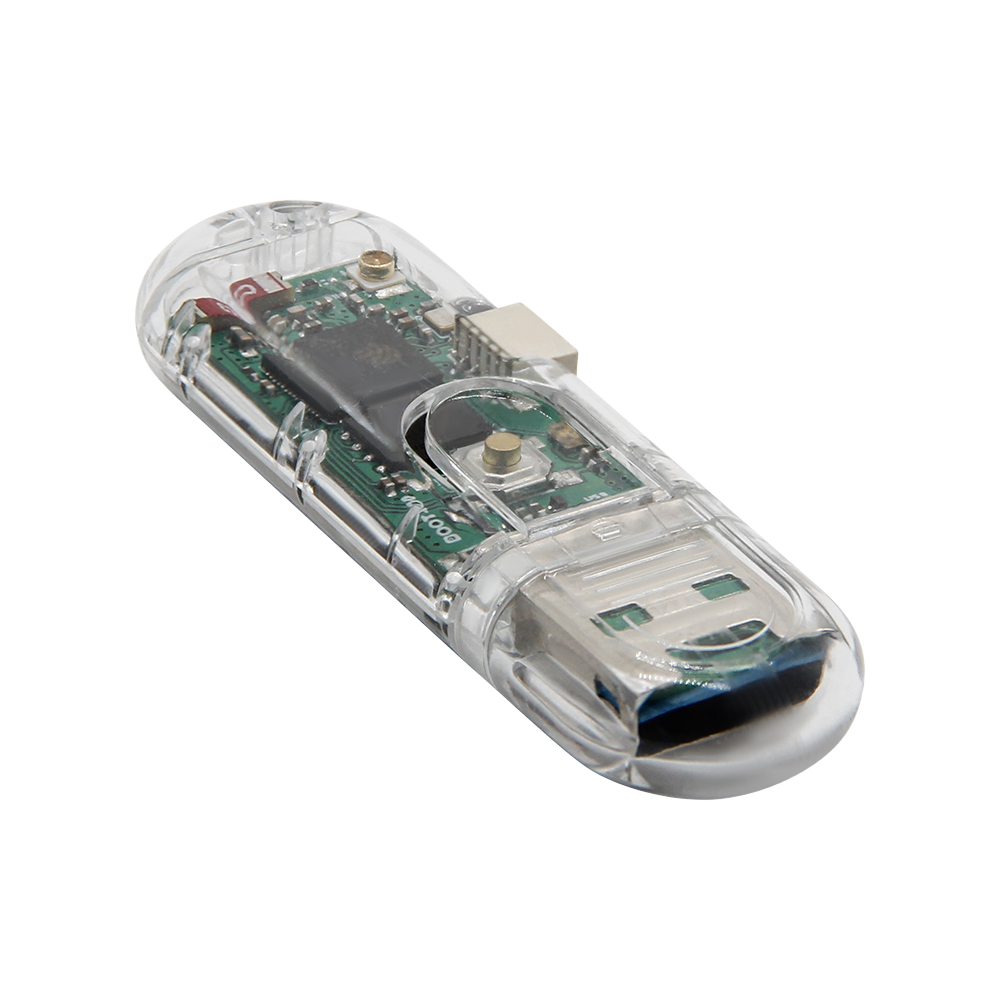
Manufacturer reference photograph of the original LILYGO T-Dongle-S3 component in its clear enclosure
USB DEVICEUSB2NASNETWORK
STORAGE

LILYGO T-Dongle-S3 · Manufacturer reference
Component used by the prototype, not a prototype photograph. Source: LILYGO

CONNECTED HARDWAREPhysical prototype

USB2NAS.

Old port.
New possibilities.

A Wi-Fi bridge for equipment that saves to USB. The device sees a familiar FAT32 drive; the bridge translates its file operations into ordinary files on a NAS.

USB MASS STORAGE → WI-FI → NASBuilt to bridge the gap

02 / INSIDE THE SYSTEMS

Look a little closer.

Explore the research and architecture behind each project.
Interactive explanations, not live product demos.

01 / RESEARCH INPUTS

Begin with a reference.

Current offline experiments use a speaker reference, known text, and American pronunciation context to explore candidate speech targets.

DESIGN PRIORITY

Content and identity first. The current work is offline and awaits human review. Real-time conversion remains a development goal.

03 / HOW WE BUILD

Curiosity starts it.
Care makes it useful.

01

Begin with
the friction.

Find the part of an everyday workflow that feels harder than it should. Start there.

02

Make it
work in context.

Design around existing equipment, ordinary computers, and the way people actually work.

03

Test what
could go wrong.

Wrong words. Dropped connections. Interrupted writes. The edge cases are part of the product.

04

Earn the
next step.

A prototype is a starting point. Quality, compatibility, and repeatable evidence guide what comes next.

A CLEAR VIEW OF THE WORK

Built in the lab.
Proven one step at a time.

Both projects are in development. Here’s what exists today, and what we’re working to establish next.

Accent Convert

Research
In hand
Offline speech-target experiments and an active listening-review workflow; an earlier fast student model was rejected
Next to prove
Pronunciation, identity, and naturalness in human review; then an accepted live model and complete call-path latency

USB2NAS

Prototype
In hand
Firmware, a Windows provisioner, and recorded physical file-transfer and recovery tests
Next to prove
Release consistency, broader equipment compatibility, and behavior through network or power interruptions

04 / KESTENLEX INDUSTRIES

Independent thinking.
Practical purpose.

An independent U.S. venture founded in October 2026 by Miles Kesten.

Kestenlex Industries is the venture behind kestenlexlabs.com, where we share our work in voice intelligence and connected systems.

We’re interested in technology that earns its place: a clearer conversation, a simpler connection, a useful piece of equipment with more life ahead of it.

Our current focus is turning two research directions into dependable products. Thoughtfully. One tested improvement at a time.

Contact Miles Kesten at duke@kestenlexlabs.com.

See what we’re building
KEEP EXPLORING.KEEP BUILDING.
PROJECT 01 / VOICE INTELLIGENCE
Research prototype

Accent Convert

A clearer signal. A familiar voice.

We’re researching accent conversion with a simple goal: make pronunciation easier to understand while keeping the speaker’s identity, expression, and intent. Live Windows calling workflows are the long-term target.

OfflineCurrent experiments
Human reviewQuality gate
Live speechDevelopment goal

Quality before speed

The latest work explores offline Qwen/Kokoro teacher-model generation using known transcripts and American pronunciation context. Candidate outputs are prepared for listening review, with attention to pronunciation, speaker identity, and naturalness.

An earlier custom streaming student model showed compute feasibility, but its output quality was rejected. Speed alone was not enough to move that version forward.

What we’re testing

Where it stands

Human review of the latest targets is pending. Current whole-file generation is slower than real time. A quality-accepted live conversion model and end-to-end call performance remain development goals.

View the research workflow
PROJECT 02 / CONNECTED HARDWARE
Physical prototype

USB2NAS

A network connection through a familiar port.

USB2NAS explores a simple idea: equipment that writes to a USB drive should be able to save into a network workflow, without replacing that equipment.

ESP32-S3Prototype processor
FAT32USB host interface
SMBNAS file protocol

How it works

A LILYGO T-Dongle-S3 presents a virtual FAT32 mass-storage device to the USB host. Firmware translates sector operations into ordinary NAS files over Wi-Fi using encrypted SMB. Files do not primarily live on the dongle.

A Windows provisioner supports setup. The physical prototype has recorded hash-matched transfers, readbacks, renames, overwrites, deletes, and interrupted-copy recovery tests.

From the firmware

Explore the prototype’s actual display artwork.

Upload state: static firmware base artwork

Static source artwork, not a device photograph. Runtime animation and physical panel orientation are not simulated.

What we’re testing

Where it stands

Physical prototype evidence is encouraging. Current release acceptance and broader compatibility remain to be established. USB2NAS is in development and is not yet offered for sale.

View the architecture schematic